
Introduction
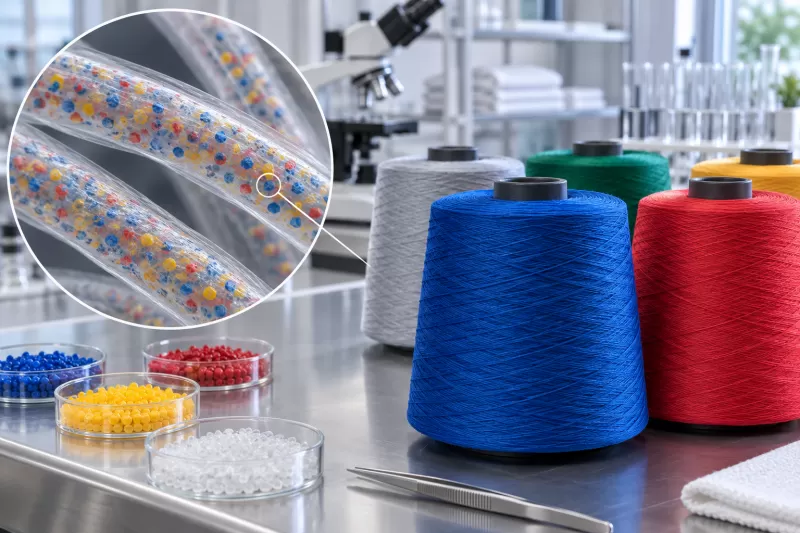
As global temperatures rise and summer heat waves become more frequent, consumers increasingly demand cooling solutions for their homes and personal comfort. Traditional cotton and polyester textiles trap heat and moisture, leaving sleepers and loungers uncomfortable during warm nights. PE cool feeling yarn represents a breakthrough in textile technology, offering genuine thermal comfort through advanced material science rather than chemical treatments.
The cool feeling sensation in textiles is quantified using the Q-max value, which measures the instantaneous heat loss when skin contacts fabric. Higher Q-max values indicate greater cooling sensation. Standard cotton fabrics typically measure 0.10-0.15, while premium cooling textiles achieve 0.25 or higher.

Key Technical Advantages
Instant Cooling: The high thermal conductivity of PE fibers rapidly draws heat away from skin contact points, creating an immediate cooling sensation upon touch.
Sustained Performance: Unlike chemical cooling treatments that wash out over time, the cooling properties of PE yarn are inherent to the fiber structure and remain effective throughout the product lifecycle.
Moisture Management: PE fibers are hydrophobic, meaning they do not absorb moisture. Instead, they wick sweat away from the skin to the fabric surface where it evaporates quickly, maintaining dry comfort.
Lightweight Construction: PE fibers are lighter than cotton or polyester, reducing the overall weight of bedding and apparel while maintaining structural integrity.
Durability: PE cool feeling yarn exhibits excellent abrasion resistance and tensile strength, ensuring that cooling properties persist through repeated washing and extended use.
Applications and Market Opportunities
PE cool feeling yarn is transforming multiple product categories:
Summer Bedding: Mattress protectors, pillowcases, and duvet covers incorporating PE yarn provide sleep environments that remain cool throughout the night. Clinical studies indicate that cooler sleep environments improve sleep quality and duration.
Outdoor Apparel: Athletic wear and outdoor clothing benefit from PE yarn's combination of cooling and moisture-wicking properties, keeping wearers comfortable during physical activity.
Medical Textiles: Patient gowns and bedding in healthcare settings utilize PE yarn to reduce overheating, particularly important for patients with limited mobility or fever conditions.
Automotive Interiors: Seat covers and interior fabrics incorporating PE yarn reduce heat buildup in vehicles parked in direct sunlight, improving comfort immediately upon entry.
Xinci's Product Portfolio
Xinci offers a comprehensive range of PE cool feeling yarn products:
Standard Cool Feeling Yarn: Q-max 0.25-0.28, suitable for general apparel and home textiles.
High-Performance Cool Feeling Yarn: Q-max 0.31+, designed for premium bedding and technical applications requiring maximum cooling effect.
Blended Cool Feeling Yarn: PE combined with other fibers to balance cooling properties with softness, drape, or elasticity requirements.
Customized Solutions: Xinci's technical team works with clients to develop specialized yarn specifications for unique applications.
Quality Assurance and Testing
Xinci maintains rigorous quality control protocols:
Q-max Testing: Every production batch undergoes Q-max testing using standardized thermal conductivity measurement equipment.
Wash Durability: Products are tested through 50+ wash cycles to verify that cooling properties remain consistent.
Safety Certifications: All products meet OEKO-TEX Standard 100 requirements, ensuring they are free from harmful substances.
Environmental Compliance: Manufacturing processes adhere to REACH regulations and environmental protection standards.
Conclusion
PE cool feeling yarn represents a significant advancement in textile technology, addressing genuine consumer needs for thermal comfort in warming climates. Xinci's commitment to quality and innovation positions the company as a leading supplier in this rapidly growing market segment.