
More volume with less material weight
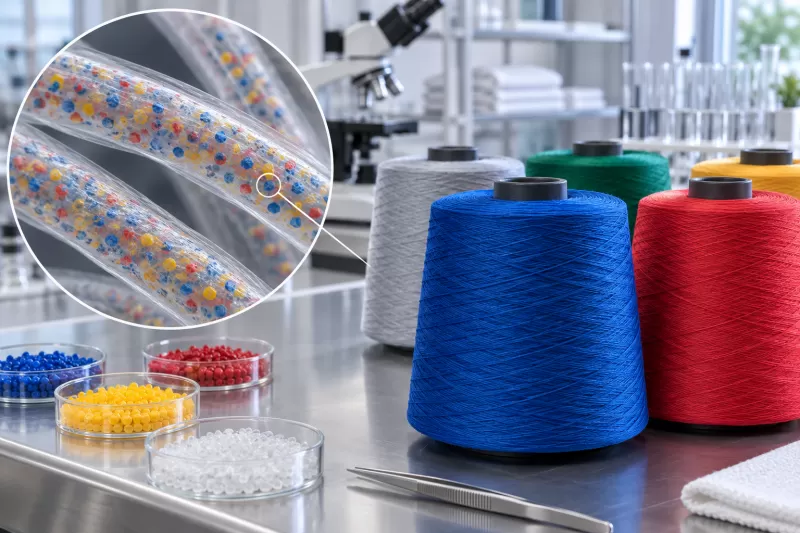
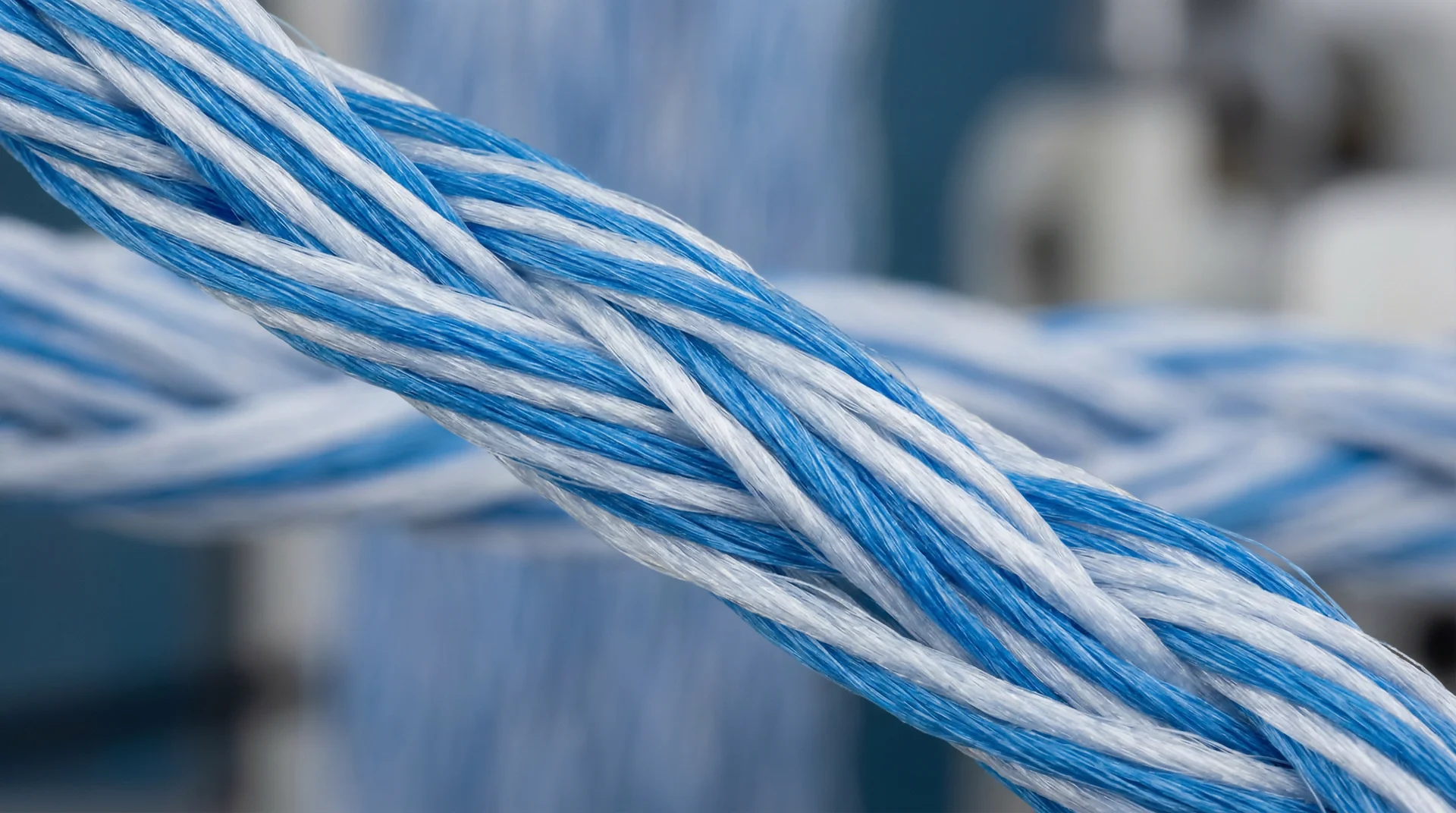
PP hollow yarn contains a controlled internal void that increases apparent bulk without adding the same amount of mass as a solid filament. For insulation fillings and other loft-focused textiles, this geometry can help create a fuller hand and a favorable warmth-to-weight balance. Polypropylene’s low moisture absorption also supports quick drying in suitable end uses.
Hollow ratio must remain consistent
The value of a hollow filament depends on stable cross-section geometry. If the void collapses or varies too much, bulk, resilience and downstream processing can become inconsistent. Buyers should discuss hollow ratio, denier, filament count, tensile requirements and crimp or texturing needs. Microscopic cross-section images and production-lot data can make sample approval more objective.
Match the yarn to processing
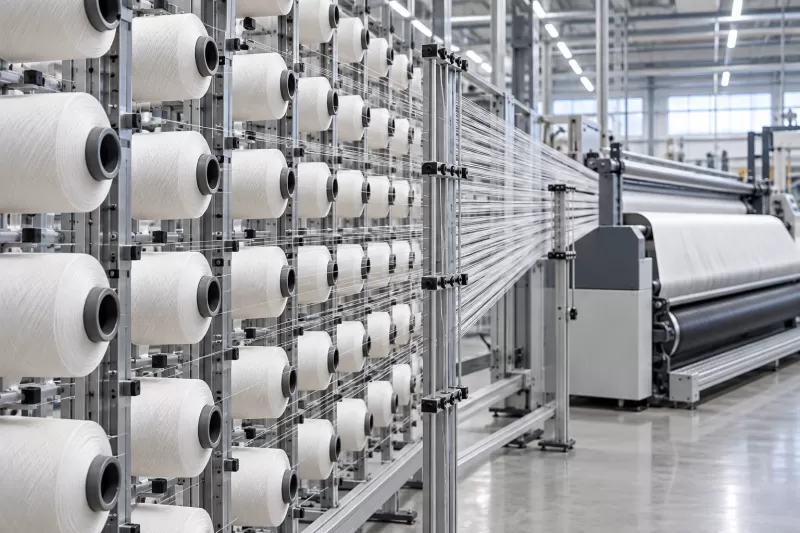
Carding, opening, blending and thermal bonding each place different demands on the fiber or filament. The supplier needs to know whether the yarn will be cut, textured, blended or used directly. Processing temperature is particularly important because polypropylene has a lower heat tolerance than several common synthetic fibers. Trial runs should reproduce the customer’s real line conditions.
Build a useful inquiry
Specify final application, yarn count, color, hollow target, package format and estimated monthly volume. Add requirements for flame behavior, recycled content, antimicrobial treatment or other functions only when they are genuinely needed. A focused specification avoids paying for unnecessary features and gives the supplier a clear basis for sampling and quotation.