

Start with the finished product
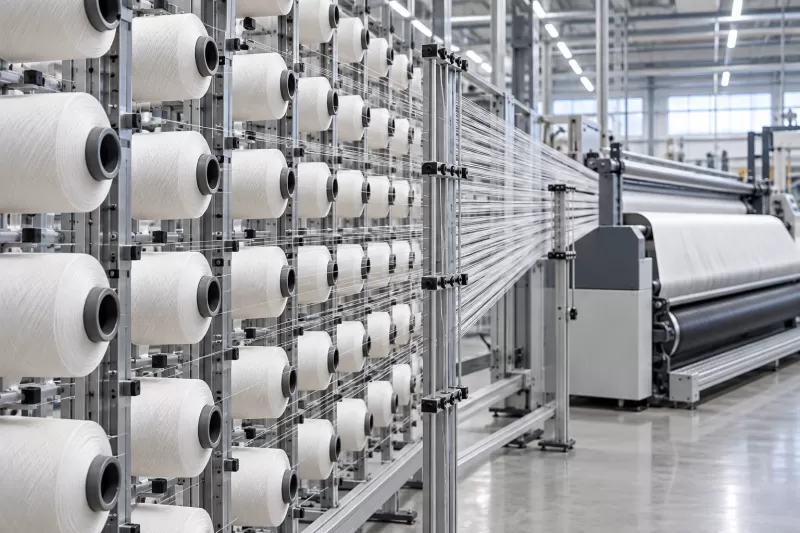
A good yarn inquiry begins with what the customer is making, not with a generic material name. A rope, filter fabric, narrow webbing and thermal filling may all use synthetic yarn, yet they require different combinations of strength, elongation, abrasion, bulk and chemical resistance. Share the end use and processing route before locking the yarn specification.
Translate needs into measurable values
Denier describes linear density, while tenacity relates breaking force to yarn size. Elongation explains how the yarn stretches before failure. These values should be considered together, along with shrinkage, twist, filament count and package build. Test methods and conditioning must be named because results from different procedures are not always directly comparable.
Treat color as a technical requirement
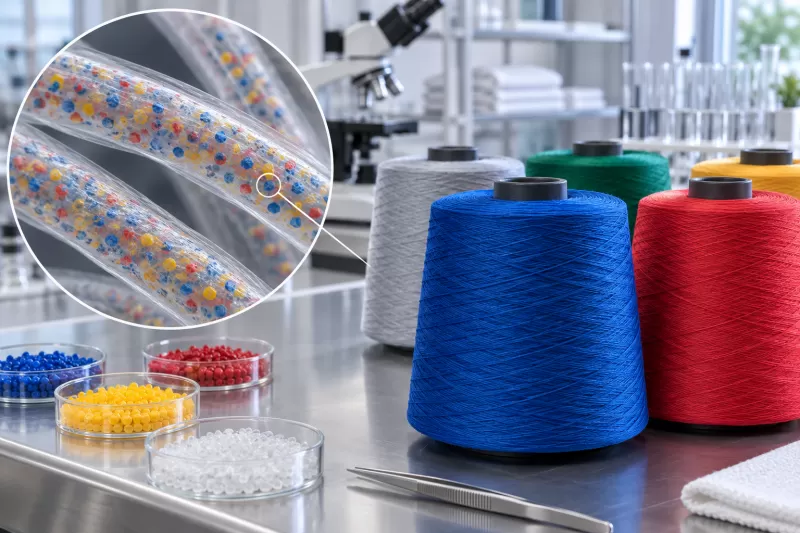
For colored yarn, define the physical color standard, allowed tolerance and relevant fastness tests. Light, washing, rubbing, weathering and chemicals represent different exposures. Solution dyeing can support durable and repeatable color, but the formulation still needs to match the application. Approval against a retained master sample gives both sides a practical reference.
MOQ and lead time follow the specification
Custom polymer, special additives and unique colors normally require more setup than an established stock item. Ask for sample quantity, trial-lot MOQ, production MOQ, package size and realistic lead time. Consolidating compatible specifications and forecasting repeat demand can improve production efficiency. The clearest inquiry is often the fastest route to an accurate quotation.