

Why This Topic Matters
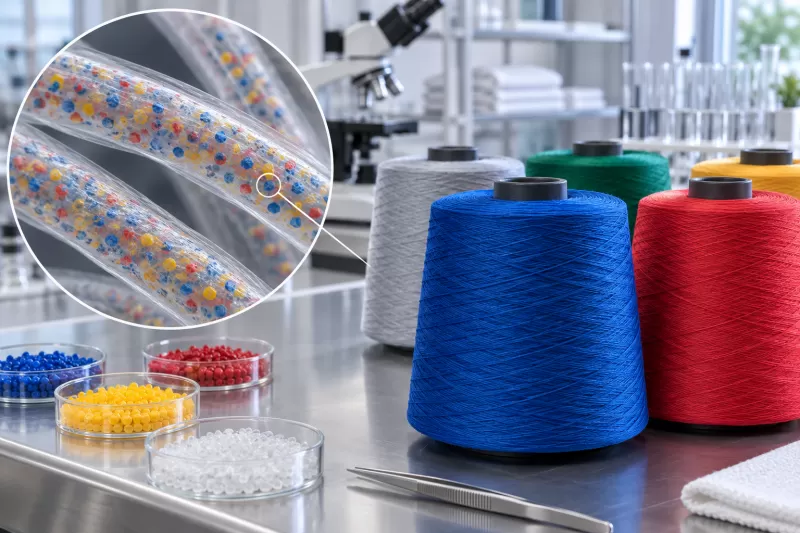
A fabric can look cool, feel light and still fail to deliver a convincing first-touch cooling sensation. Cool-touch performance begins with how quickly heat moves from the skin into the fabric. Yarn selection matters, but so do fabric construction, surface contact, finishing and the test method used to confirm the result. That is why a cooling-yarn project should be developed as a fabric system rather than marketed from one fiber claim alone.
Define the moment of cooling
Is the product expected to feel cool immediately, manage heat during wear, or support moisture evaporation? These are related but different functions.
Build enough skin contact
A smooth, appropriate fabric surface can improve heat transfer, while an overly lofty construction may reduce the initial sensation.
Protect breathability
Cooling should not be pursued through a dense structure that traps humidity in the real application.
Test the finished fabric
Yarn data is a starting point. The final fabric should be tested after dyeing, finishing and the intended number of washes.
What to Include in the RFQ
When discussing a development, share the end product, fabric structure, target weight, finishing route, wash requirement and the cooling test you plan to use. This helps the yarn supplier recommend a workable starting specification and makes sample results easier to compare.
Validation and Repeatability
A responsible yarn comparison uses equivalent fabric constructions and clearly labeled samples. Record yarn lot, denier, filament count, color, machine settings, finishing route and test conditioning. If one variable changes, note it. This discipline prevents a strong result from being attributed to the wrong cause and gives purchasing, production and quality teams a shared basis for scale-up and repeat orders.
Final Preproduction Check
Before release, confirm that the approved sample, test method and acceptance limits reflect production-scale conditions. Record changes to materials, settings or service environment, because repeatability depends on controlling the complete system rather than one isolated specification.
Conclusion
XINCI develops PE cool-touch yarn for summer mats, sportswear and home-textile applications. We support sampling and specification discussion so customers can connect the fiber choice with the fabric construction and performance target. Developing a cool-touch textile? Tell us how and where the user should feel the cooling effect.