
Why This Topic Matters
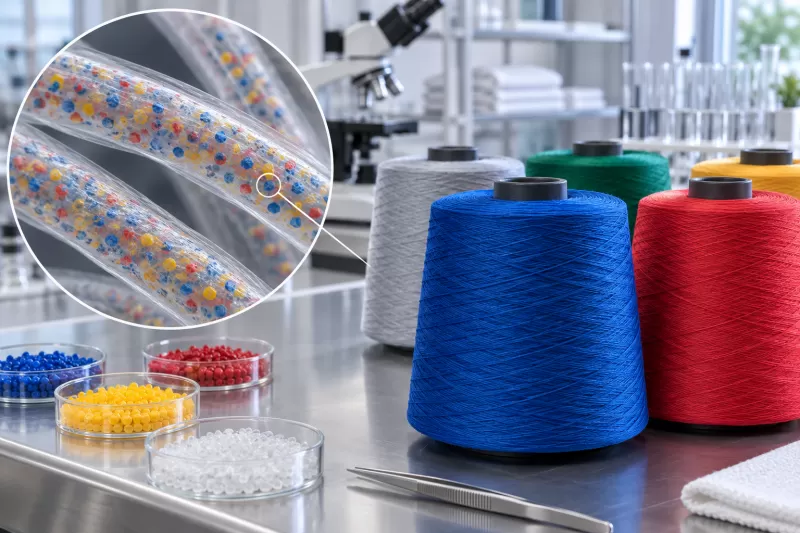
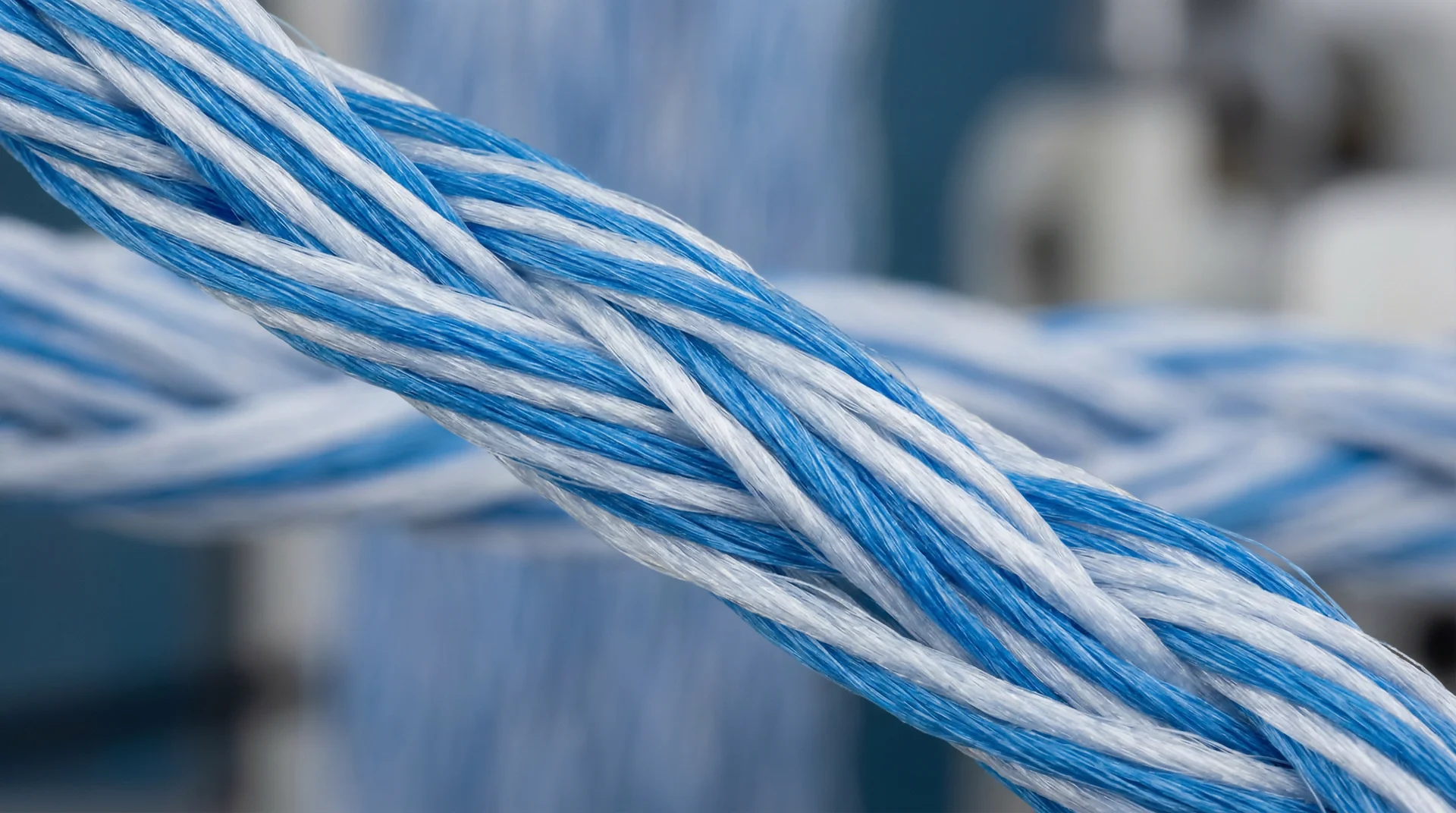
Outdoor fabric buyers often want two things that seem to pull in opposite directions: a soft, textile-like surface and reliable industrial performance. Air-textured olefin yarn creates loops and bulk in continuous filaments, giving the yarn a more spun-like character without converting it into staple fiber. The resulting look can suit awnings, outdoor upholstery and performance fabrics, but the yarn should be selected together with the construction, UV requirement and finishing route.
Texture is engineered
Air-jet settings influence loop size, bulk and surface character. The desired hand should be defined with a fabric reference, not only a yarn description.
Outdoor exposure changes priorities
Sunlight, heat, moisture and cleaning routines make UV stability and color durability part of the same development brief.
Construction controls appearance
Density, weave and tension determine how the textured yarn covers the fabric and whether the surface feels balanced.
Processability must be proven
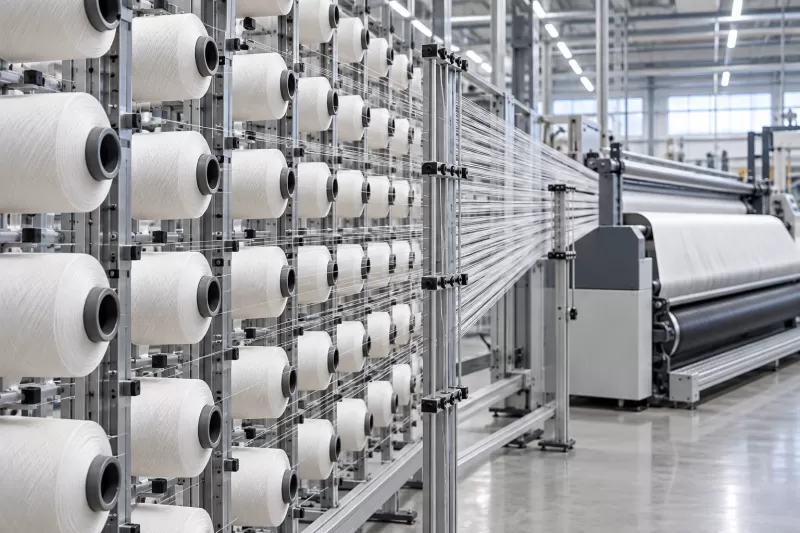
Package build, unwinding, tension behavior and loom settings should be reviewed during sampling before committing to volume.
What to Include in the RFQ
For a useful trial, specify the application, denier range, target hand, fabric construction, color route, UV test target and production equipment. Evaluate both appearance and processing stability on the intended machine. A successful outdoor yarn is not just attractive in a cone; it must perform in the fabric and on the line.
Validation and Repeatability
A responsible yarn comparison uses equivalent fabric constructions and clearly labeled samples. Record yarn lot, denier, filament count, color, machine settings, finishing route and test conditioning. If one variable changes, note it. This discipline prevents a strong result from being attributed to the wrong cause and gives purchasing, production and quality teams a shared basis for scale-up and repeat orders.
Final Preproduction Check
Before release, confirm that the approved sample, test method and acceptance limits reflect production-scale conditions. Record changes to materials, settings or service environment, because repeatability depends on controlling the complete system rather than one isolated specification.
Conclusion
XINCI offers olefin air-textured yarn for outdoor and technical-textile development. Our team can support color, specification and sample discussion around the customer’s fabric concept and processing conditions. Looking for a spun-like outdoor surface? Share the fabric reference and process route with us.